 Quality Enterprises
Board in. Box out.
Nine practical stages, handled close to the machine and checked before the next one.
 01
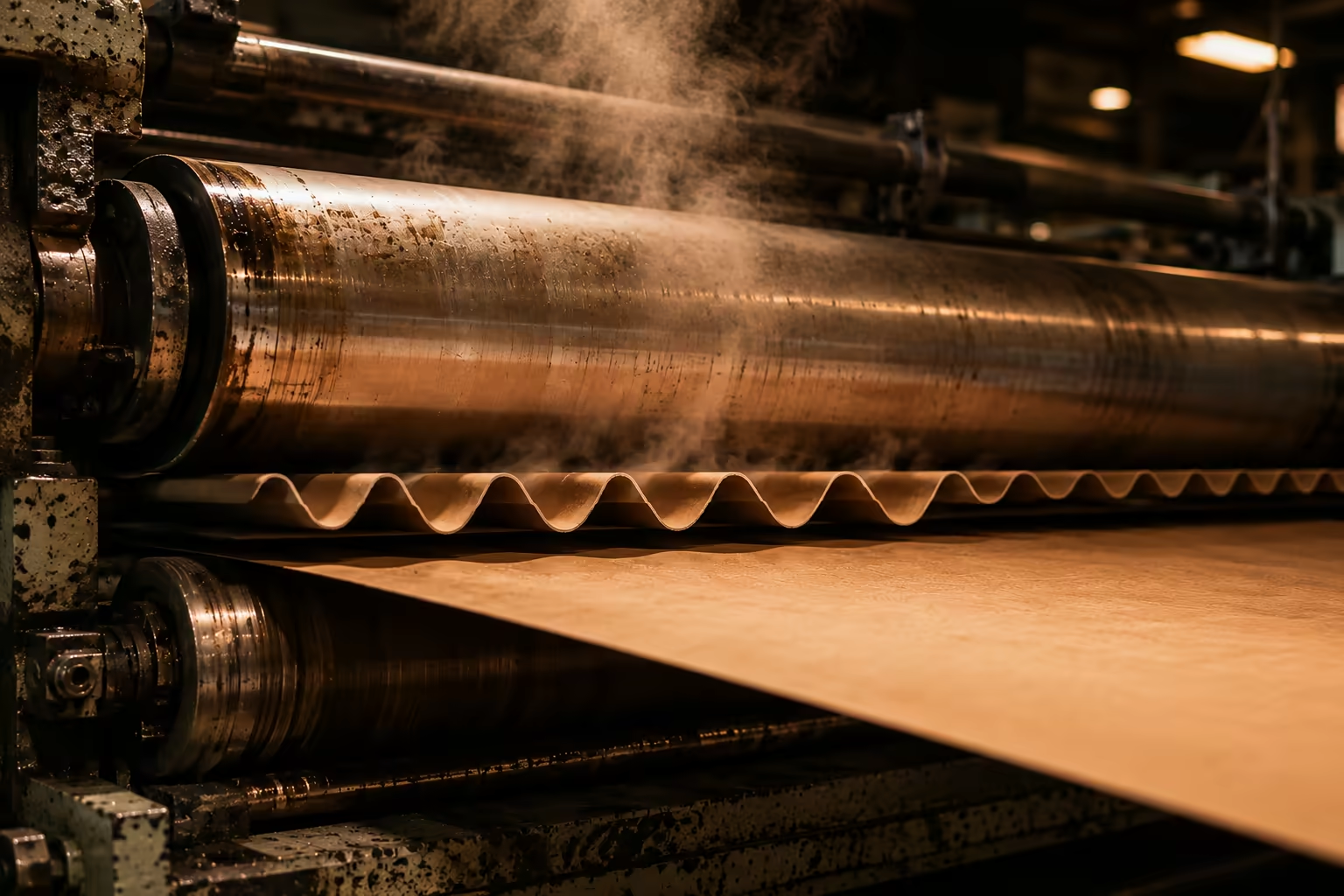
01Corrugation
Flute paper is heated, formed and bonded between liners to create the board structure. The flute profile determines how the sheet behaves under compression.
 02
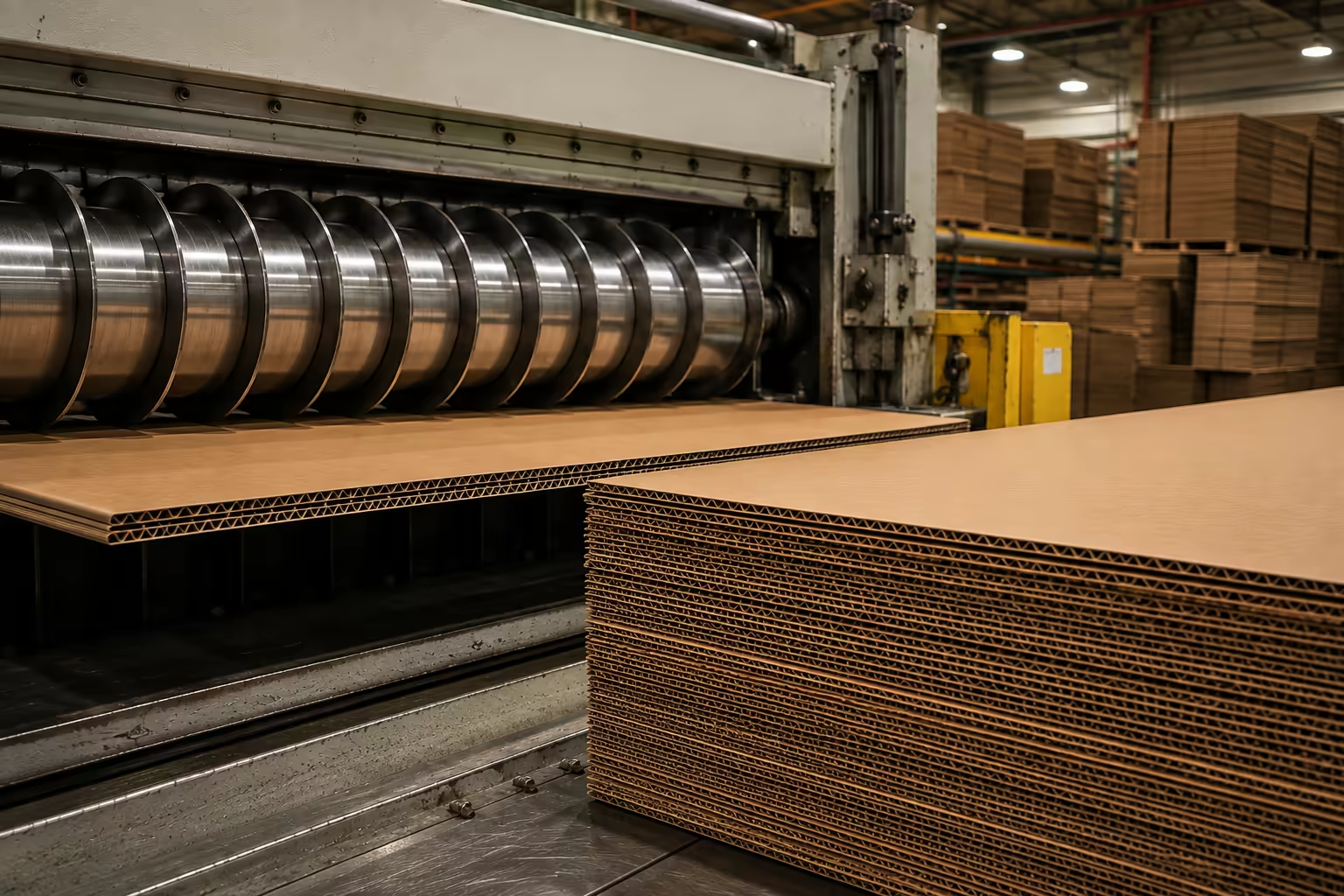
02Cutting
Sheets are cut to a repeatable blank size before printing or conversion. The cut plan is checked against the finished box dimensions and the usable sheet.
 03
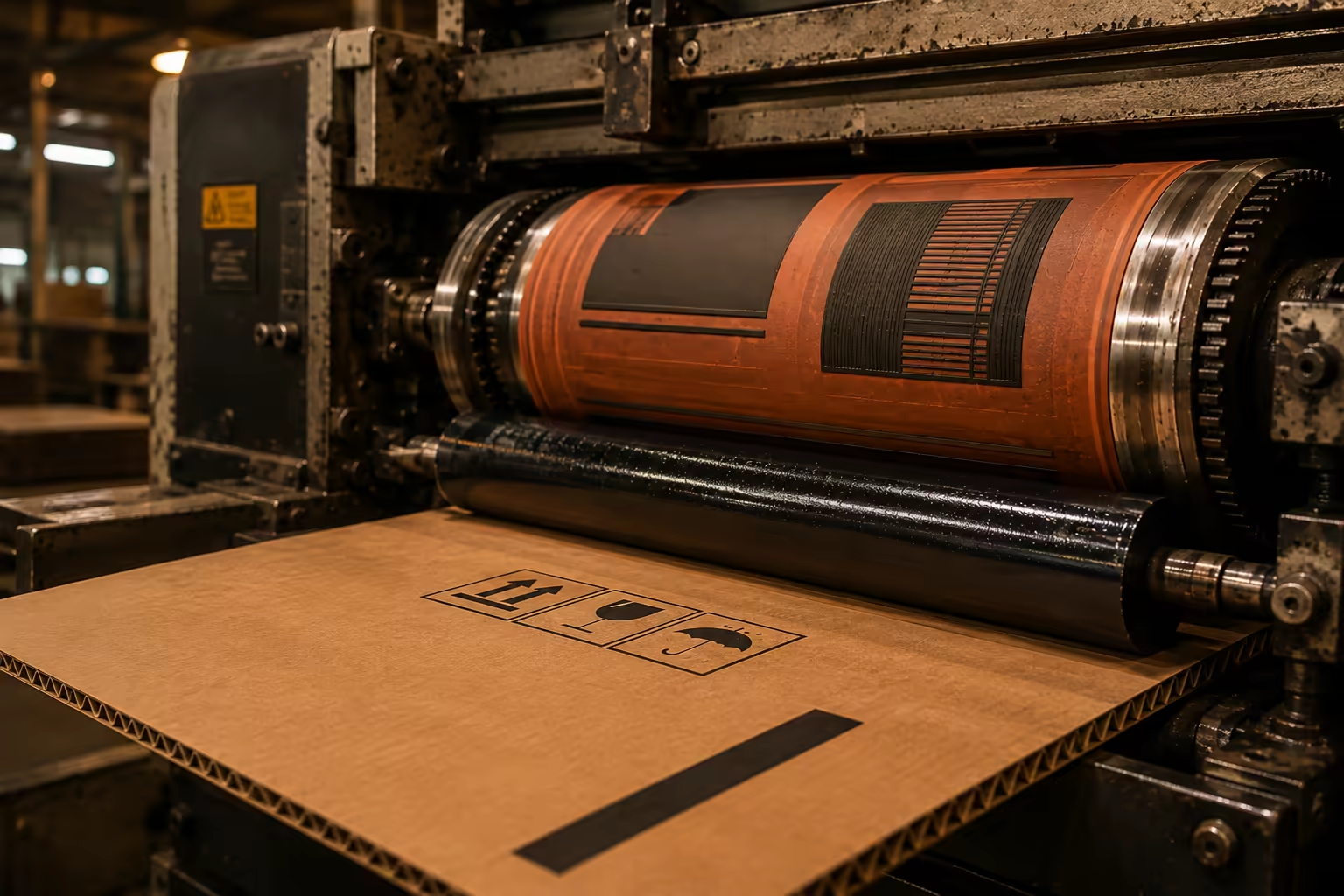
03Printing
Rubber-die flexo printing can add handling marks, product information and brand ink. Print coverage is agreed before the run starts.
 04
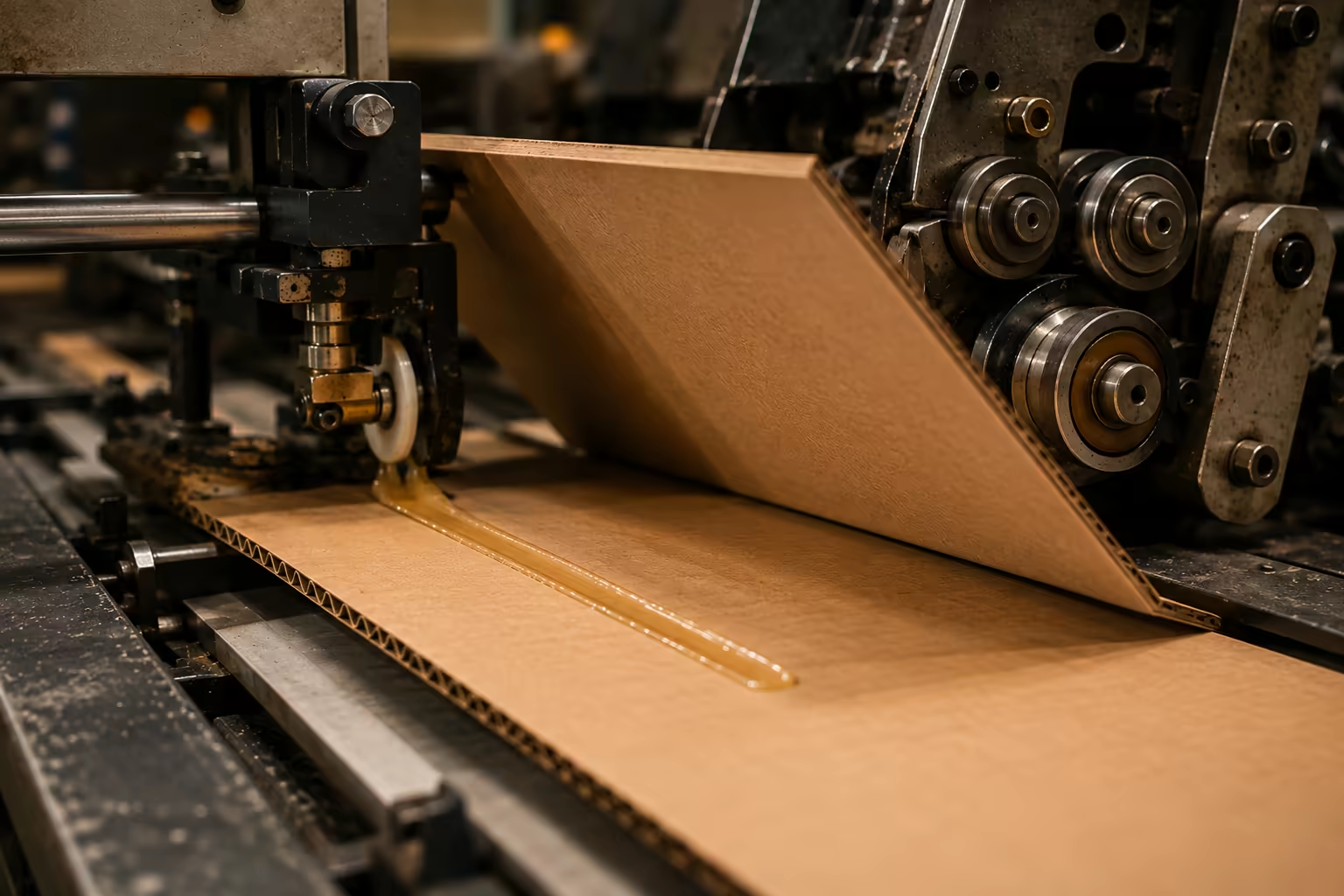
04Pasting
Gum is applied to the joining flap and folded under pressure. The joint must hold through packing, stacking and transport.
 05
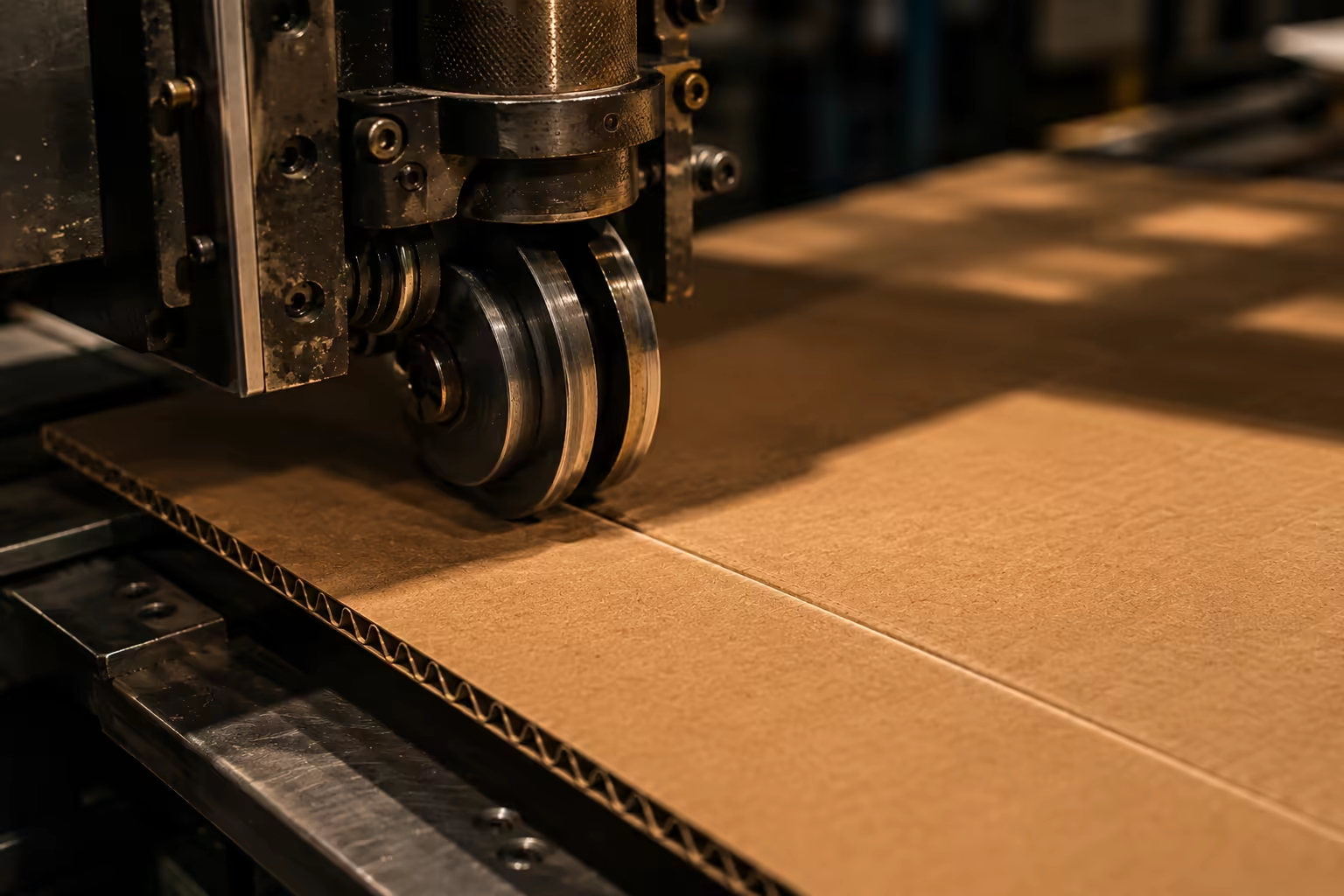
05Scoring
Score lines create clean folds without crushing the board around the crease. Score position is set from the finished internal dimensions.
 06
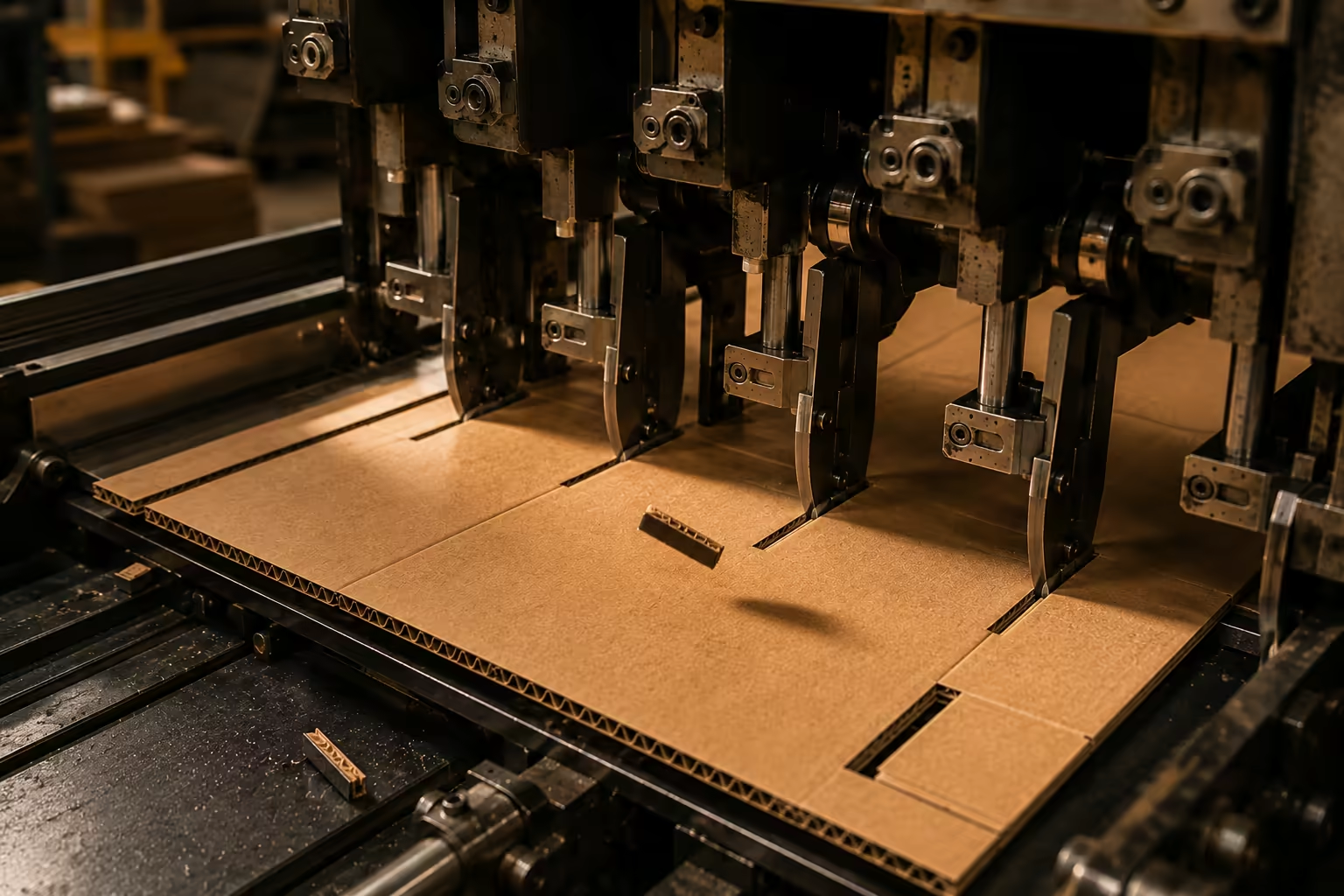
06Slotting
Slots are cut for flaps and closing panels. Blade settings change with the ply and board thickness, especially on heavy cartons.
 07
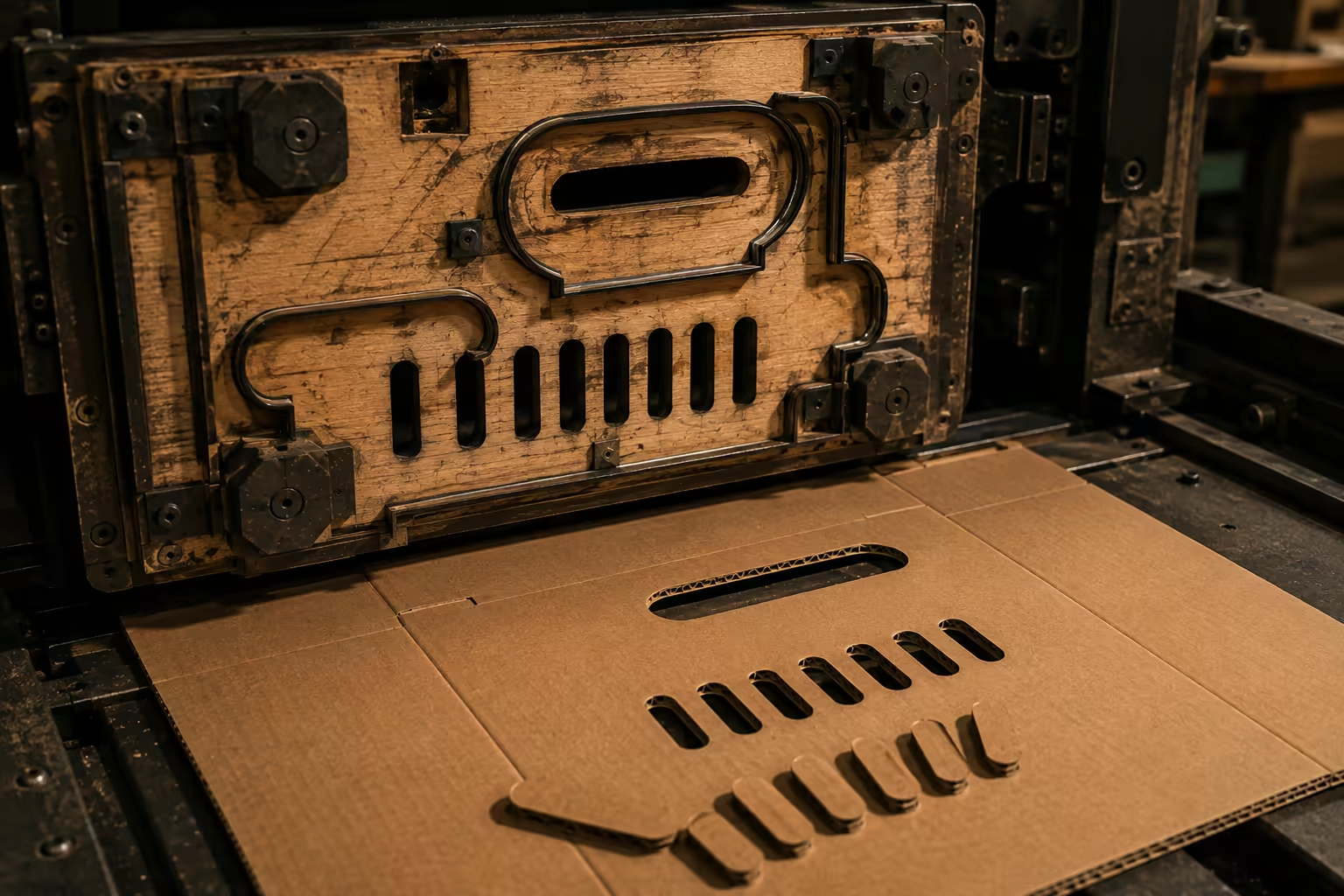
07Punching
Cut-outs, handles and ventilation openings are made with a die fitted to the blank. The cut pattern is checked for clean release.
 08
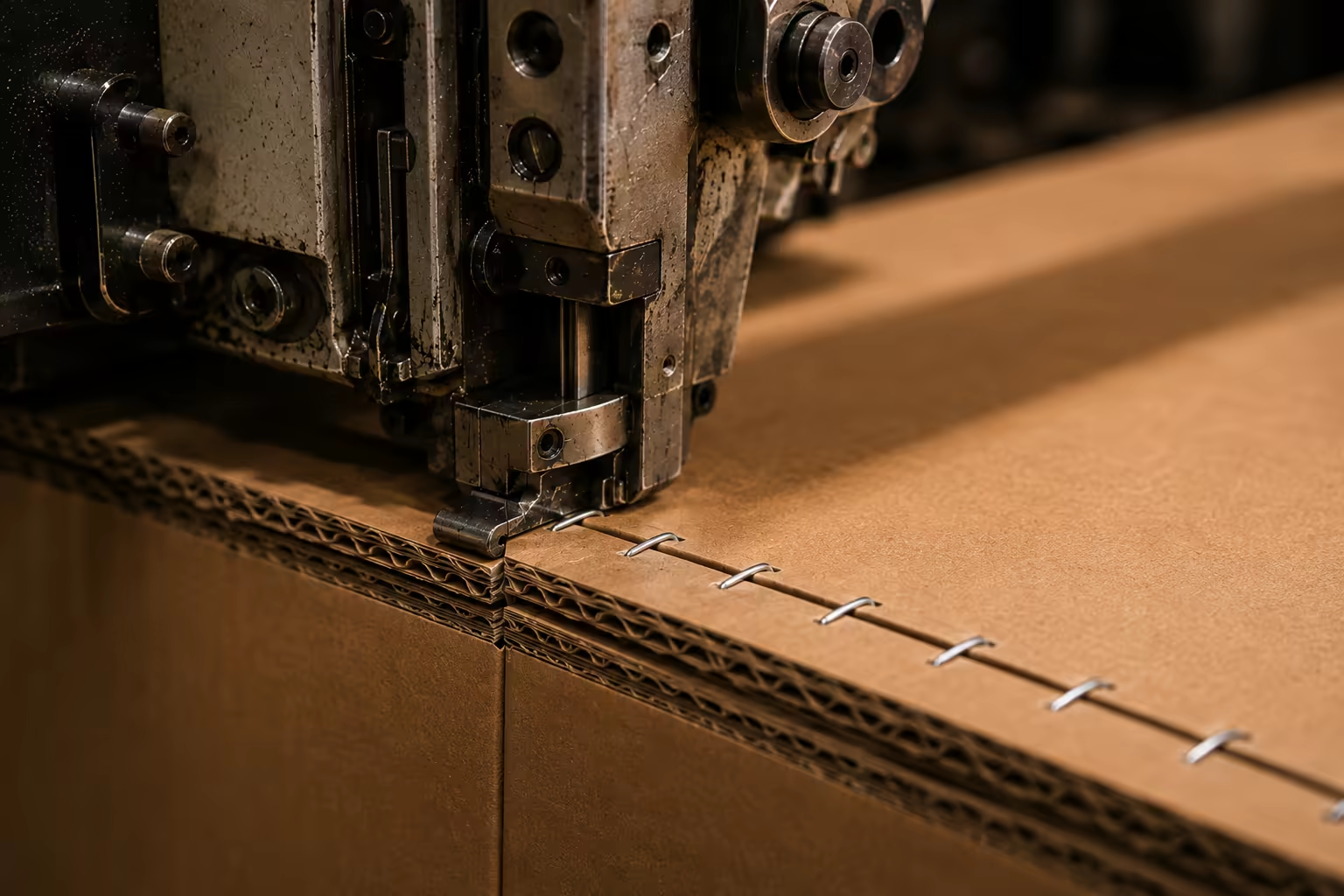
08Stitching
For heavy cartons, wire stitching gives the joint more holding power. The stitch line is kept clear of the product and the closing flap.
 09
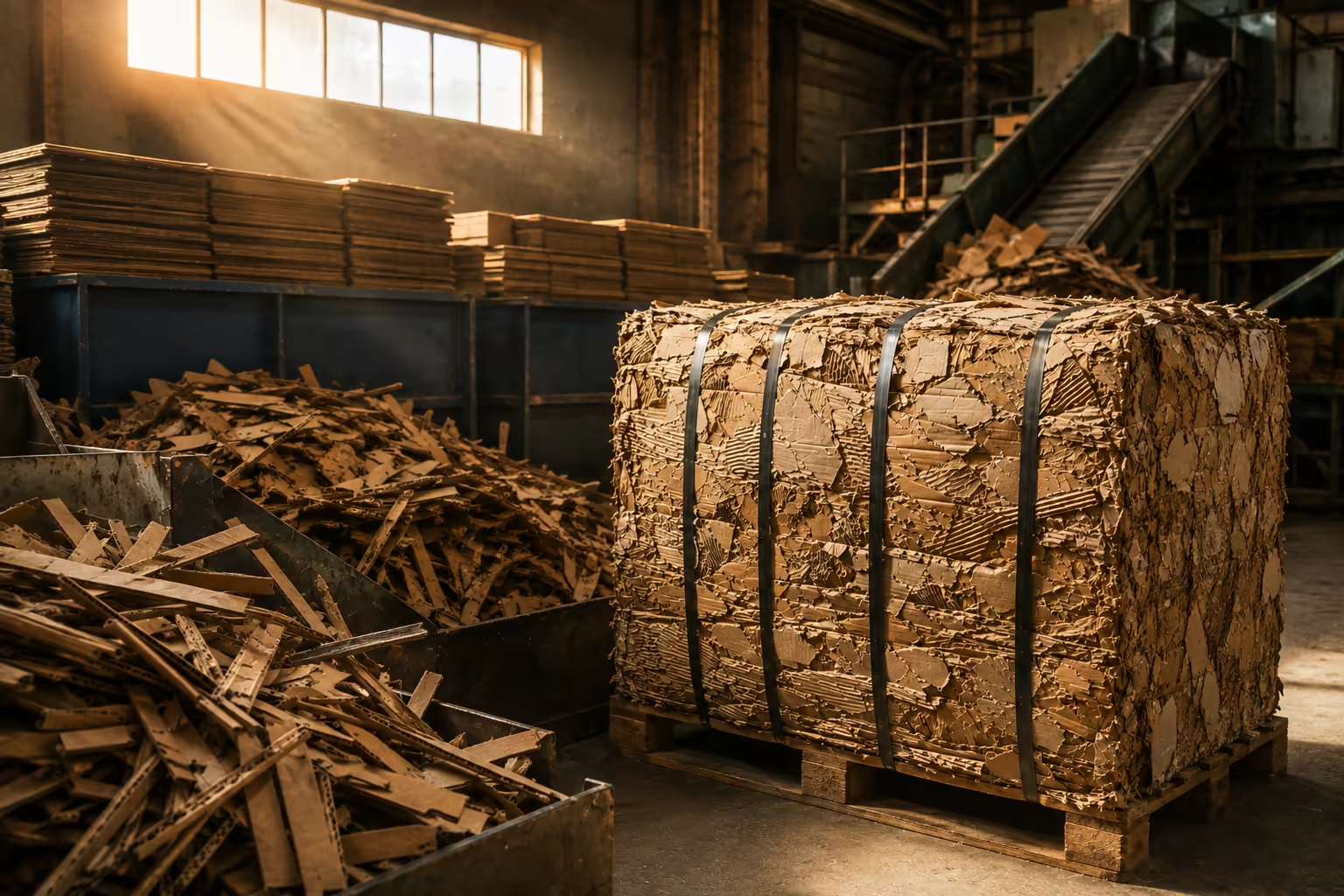
09Waste management
Trim and offcuts are separated for recycling instead of mixed disposal. Usable offcuts can also support internal packing work.
Images illustrate standard corrugated conversion stages. Photographs of the Mallapur line are available on a factory visit.